Copyright: Paul Wirtz
Zitadelle Jülich
Jülich. People have been settling in the fertile lowlands of the Rur for 2000 years.
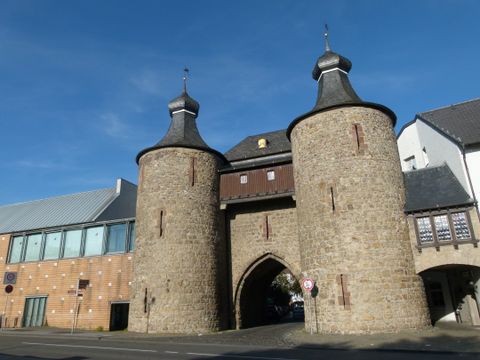
Jülich was founded around the birth of Christ as a road town at the crossing of the Roman long-distance trade route from Cologne to the Atlantic coast via the Rur. It was also the Romans who built the first fortifications in the 3rd century. A fort to protect against invasions by Germanic tribes. After the end of the Roman Empire, Jülich retained its central importance as the center of the Frankish Jülich district and seat of the Counts of Jülich. They fortified their town at the beginning of the 14th century with a medieval town wall. Of the three town gates, the west-facing Rurtor is still preserved. Better known as the "Witches' Tower", it is now the town's landmark.
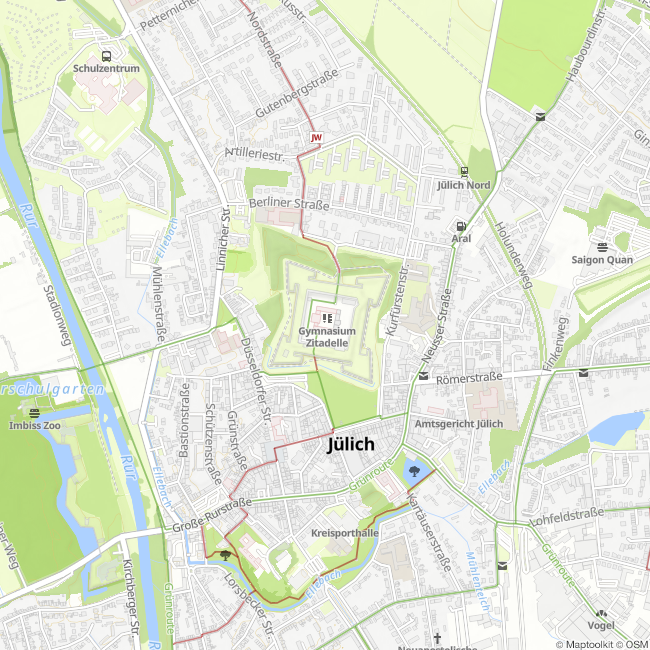
In the 16th century, Jülich rose to become the capital of the duchy of the same name, ruled from 1539 by its most important ruler, Duke Wilhelm V, whose domain also included the duchies of Cleves and Berg along with the counties of Mark and Ravensberg. Duke Wilhelm commissioned the Italian architect Alessandro Pasqualini to build an ideal city complex in the style of the Italian High Renaissance. Pasqualini designed the fortified town of Jülich, which, with its citadel, fortified residential palace, town fortifications and pentagonal layout, survived all changes in political circumstances for the next 300 years.
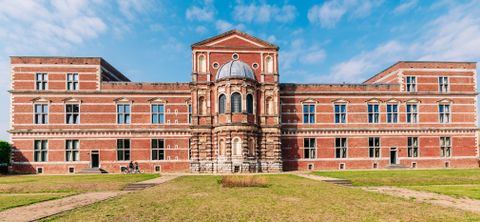
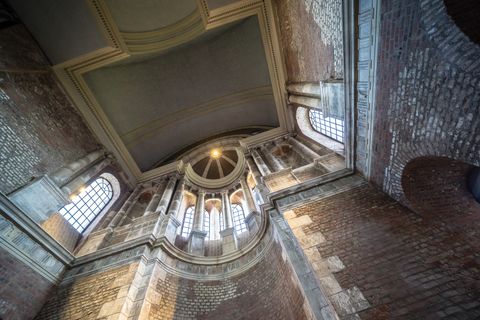
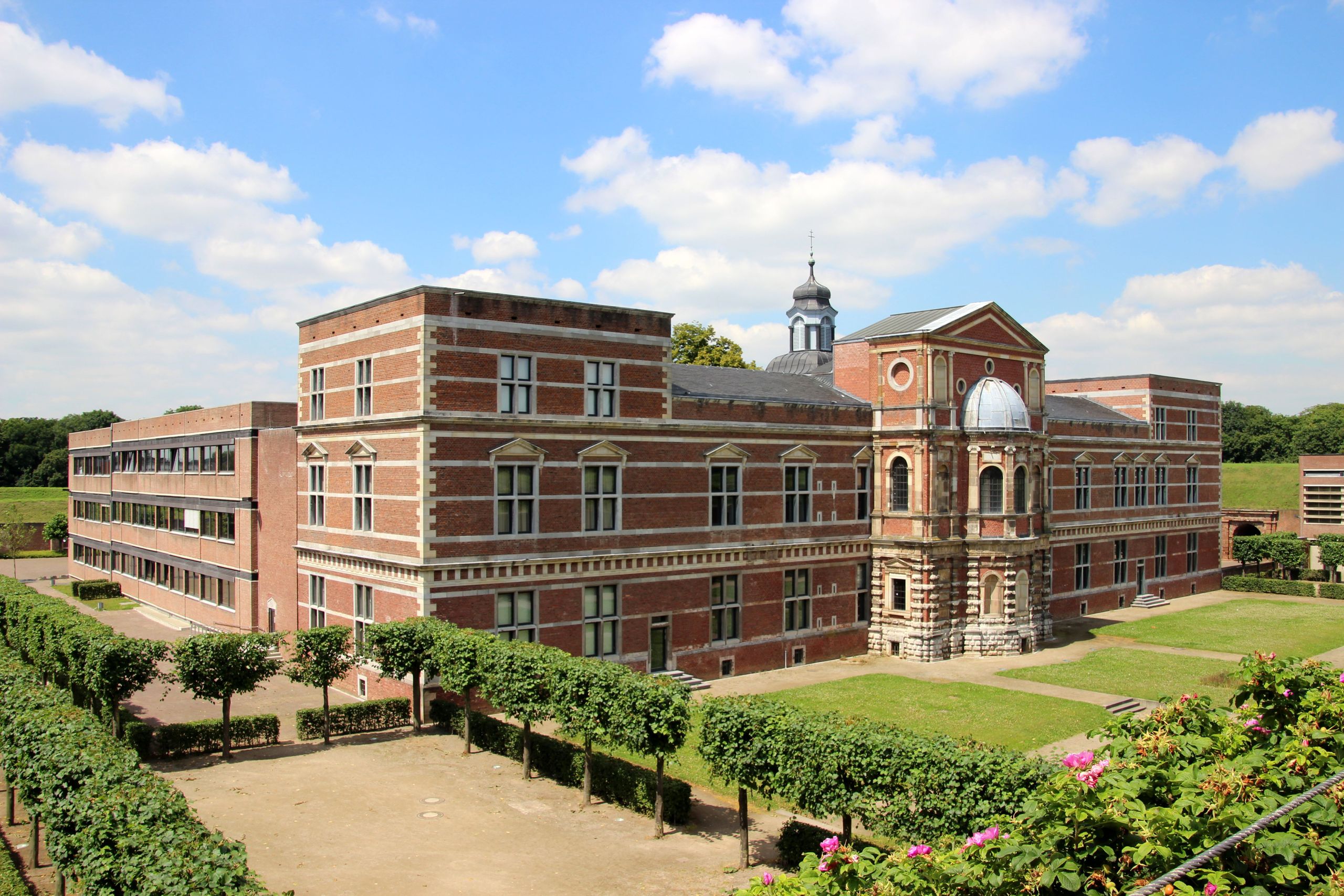
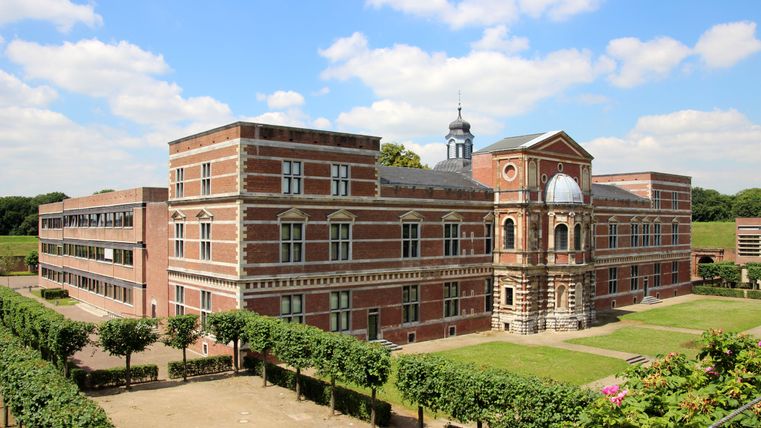
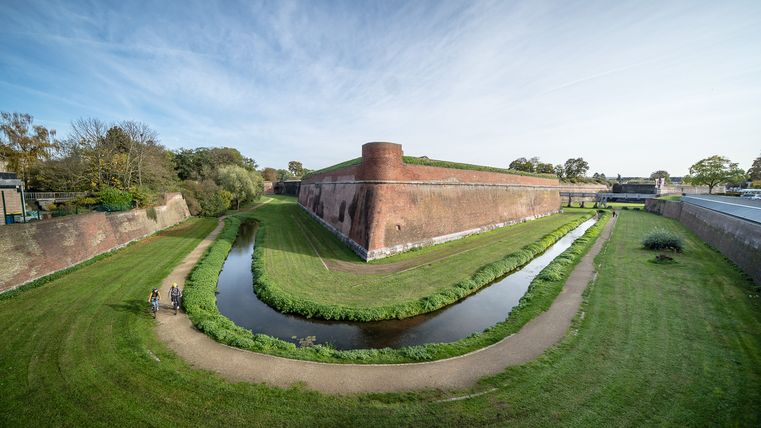
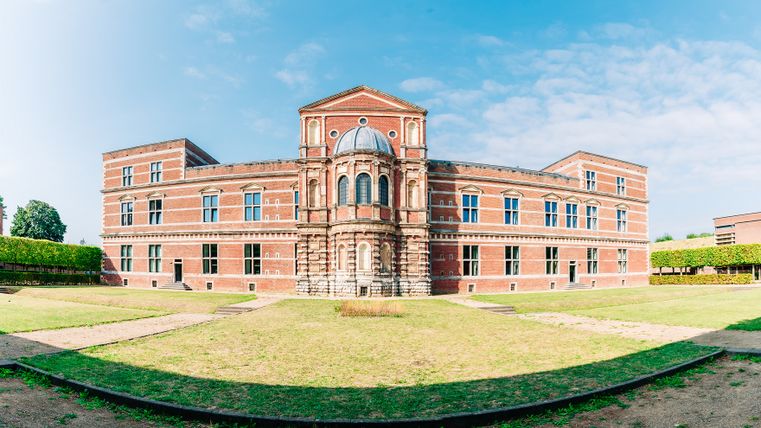
The citadel, a 90,000 square meter fortress with a ducal palace, is the most important fortress in the Italian High Renaissance style north of the Alps. Thanks to the special design of the gun platforms, the bastions, every point in front of the ramparts can be fired upon with firearms. Today, the citadel houses a grammar school and the Citadel Museum. The castle with an exhibition on the history of the complex and the Jülich region as well as the lavishly restored fortress with its ramparts and casemates can be visited.
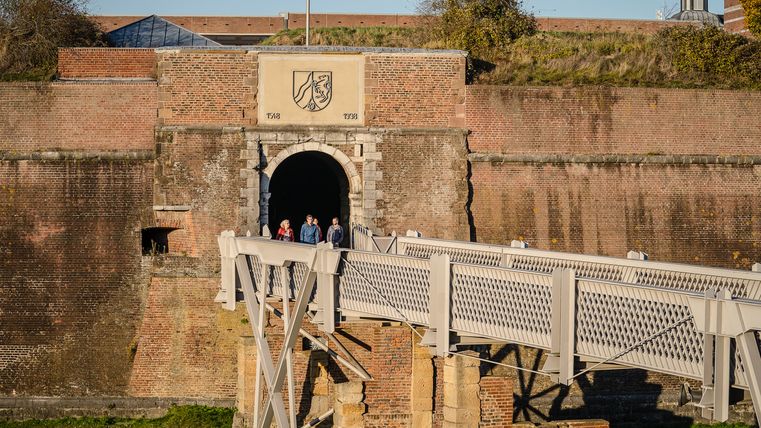
At the turn of the 18th and 19th centuries, the French under Napoleon further expanded the Jülich fortress. The Napoleonic bridgehead was built on the Rur. Fifty years later, the Jülich fortress was militarily obsolete. In October 1859, the Prussian government revoked Jülich's fortress status and the bastions and ramparts of the town fortifications were blown up and gradually dismantled. However, the citadel and bridgehead were preserved.
During the Second World War, the town was largely destroyed in an air raid. After 1945, Jülich was rebuilt according to plans by René von Schöfer. The reconstruction made clear reference to the townscape of the 16th century. The Pasqualine layout reappeared and new buildings quoted architectural ideas from the Renaissance. Today, the citadel and bridgehead, together with the witches' tower and the 16th century Renaissance town plan, form a unique fortress ensemble.
Impressions
Contact
Tourist-Information Jülich
Kölnstraße 19b
52428 Jülich