Copyright: Paul Wirtz
Hexenturm Jülich
Jülich
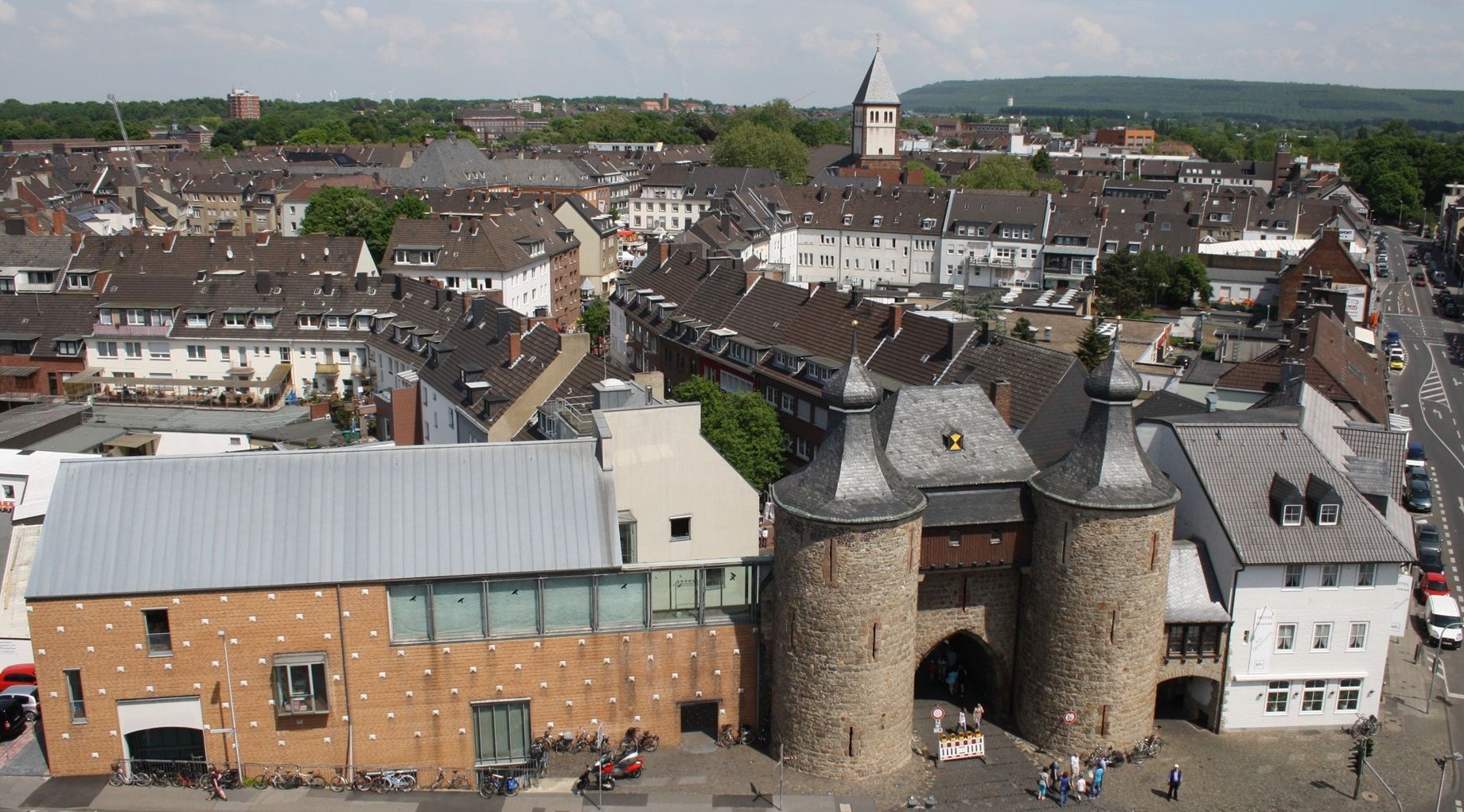
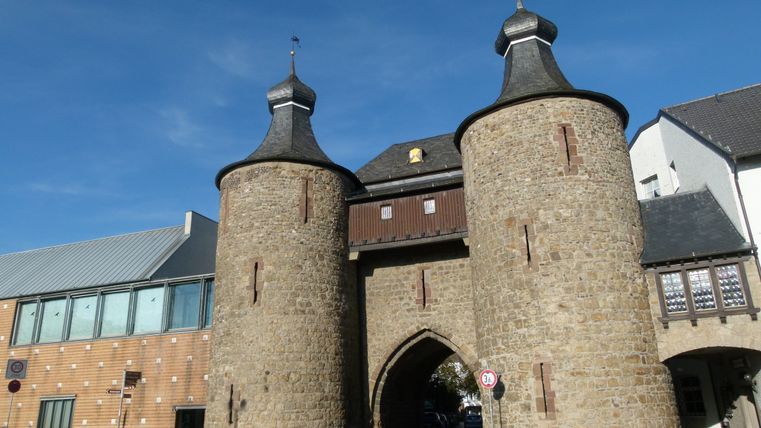
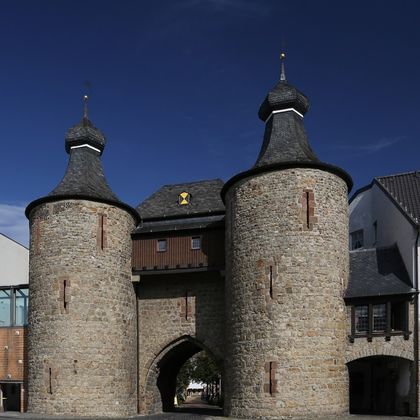
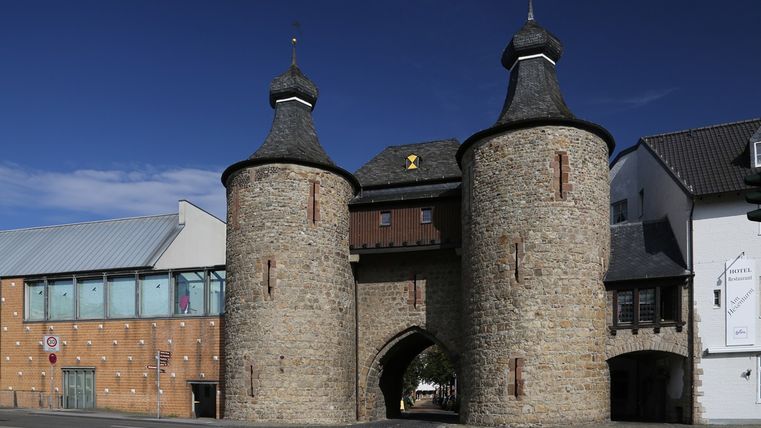
The Hexenturm, a typical Gothic town gate, is interesting for both history buffs and architecture enthusiasts. And if you want to take photos worth seeing on your trip to Jülich, you will find an attractive backdrop here. With its thick walls and small windows, the twin tower exudes a special atmosphere. Embrasures for crossbow defence, the portcullis and a doorway to the battlements bear witness to its original function. After dark, the tower is a particular eye-catcher. Then it presents itself in atmospheric lighting.
Interesting facts about the history of the witches' tower
- The tower was built at the beginning of the 14th century and has had many names throughout its history, from Rurtor to Hessenturm. It has been called the Witches' Tower since the 18th century - well after the time of the witch hunts. And in any case, hardly any individual proceedings against so-called witches have been handed down from Jülich.
- In the 18th century, the town gate was used as a prison for the main and criminal court of the Duchy of Jülich.
- From 1902 to 2006, the Stadtgeschichtliches Museum Jülich was located here. It was replaced by the Citadel Museum, which is only a 10-minute walk from the witch tower.
The Jülich Witches' Tower is an impressive sight, a testimony to times gone by and an important part of the city's cultural heritage.
In the neighboring Kulturhaus, the Landscape Gallery exhibits important works of Düsseldorf landscape painting from 1825 to the early 20th century. The focus is on Johann Wilhelm Schirmer, whose open-air studies had a lasting influence on painting. The exhibition makes it possible to experience how the perception of nature and society are reflected in the changing times.
Impressions
Contact
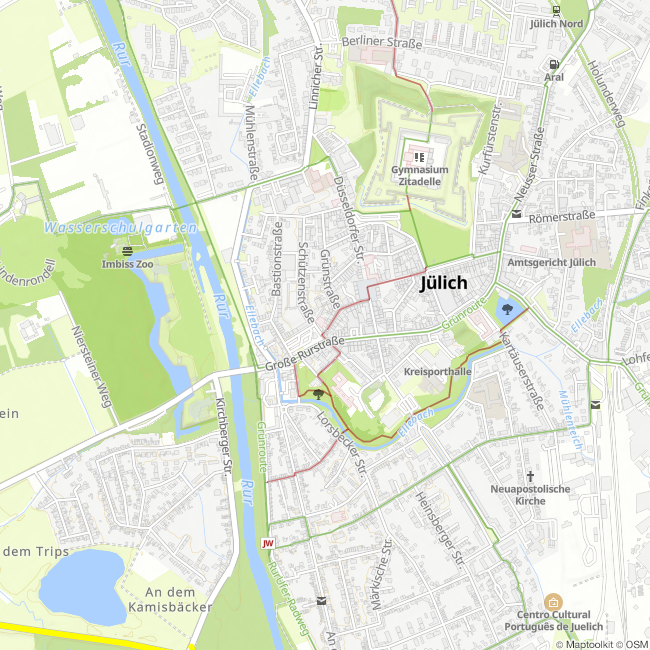
Museum Zitadelle
Am Aachener Tor 16
52428 Jülich