Copyright: Dennis Stratmann | Kreis Düren
indeland: Entlang der renaturierten Inde
Type of tour:Hiking
-Difficulty:moderate, moderately difficult
Duration5:00 h
Length19.7 km
Ascent56 hm
Descent56 hm
Elevation profile
Description
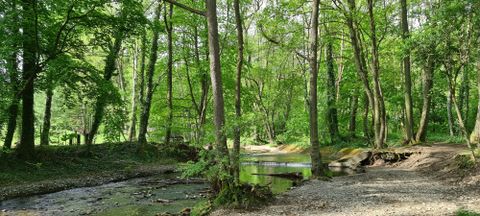
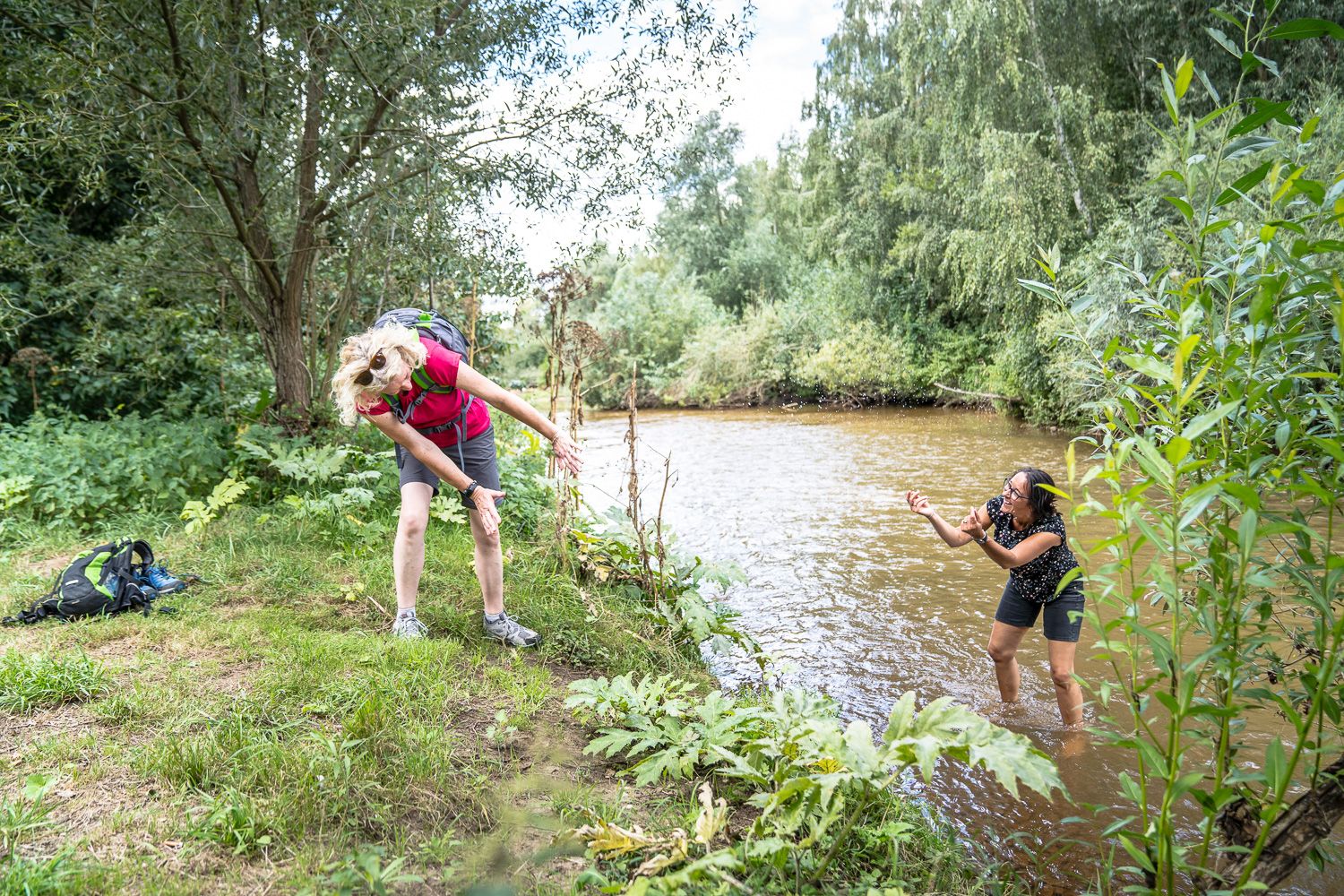
In the course of open-cast lignite mining, the Inde was relocated along a length of 12 kilometers around the open-cast mine and is now a vivid example of a near-natural river landscape and habitat for many plants and animals.
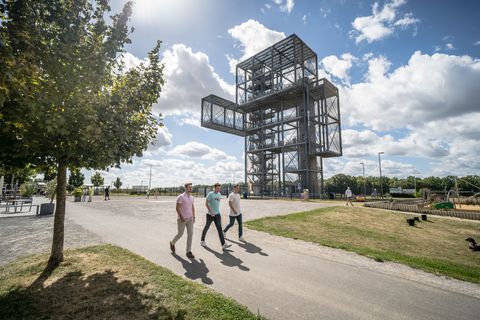
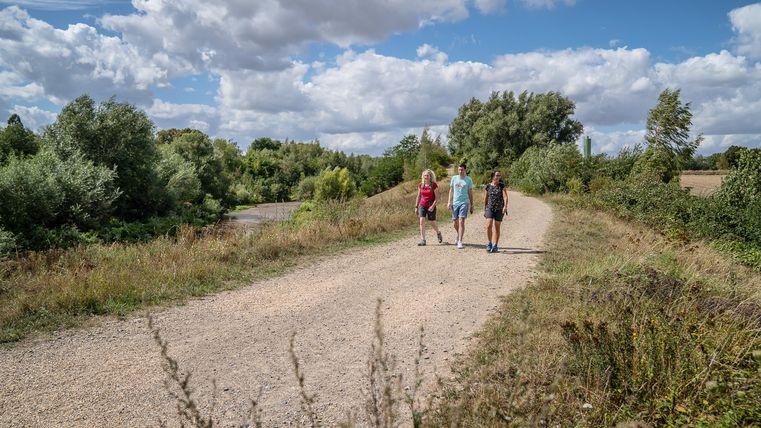
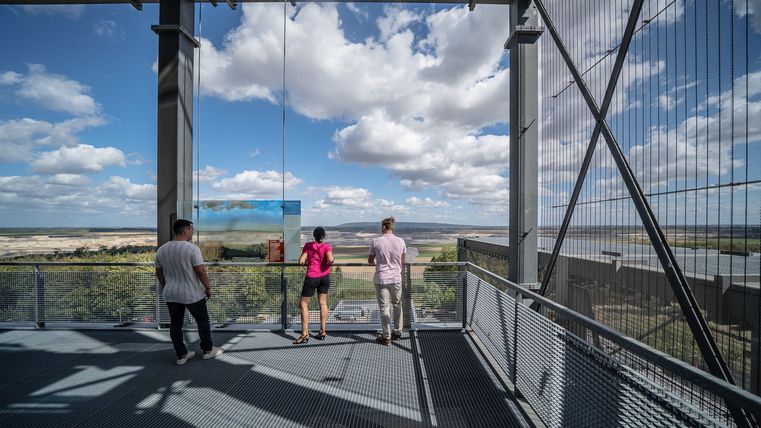
At just under 20 km, the hike is quite long but has few inclines and leads from the fortress and research town of Jülich via Kirchberg and along the Inde river to the train station in Weisweiler. On the section around the Inden open-cast mine, we follow the renaturalized Inde through a near-natural river landscape in which numerous plants and animals have found a habitat. Viewpoints offer a glimpse of the Inden open-cast mine, which is still active today.
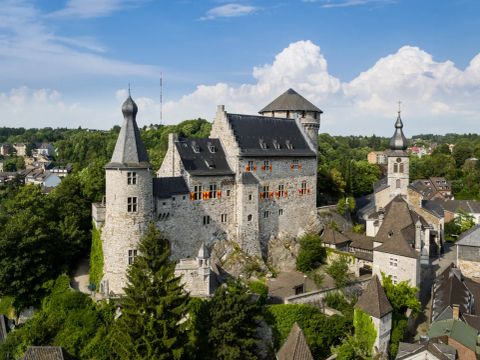
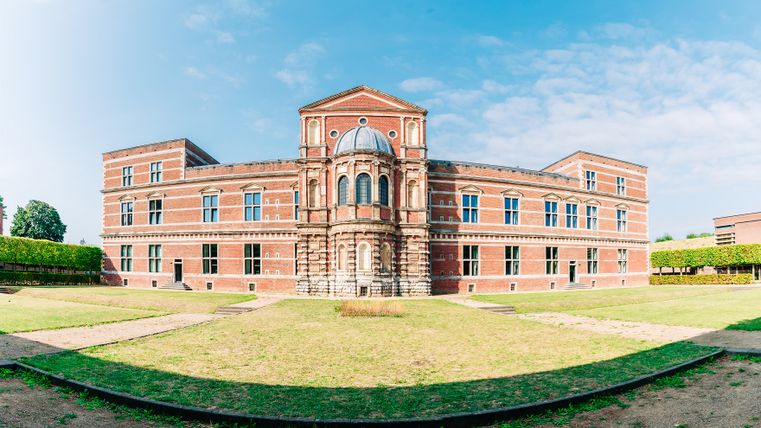
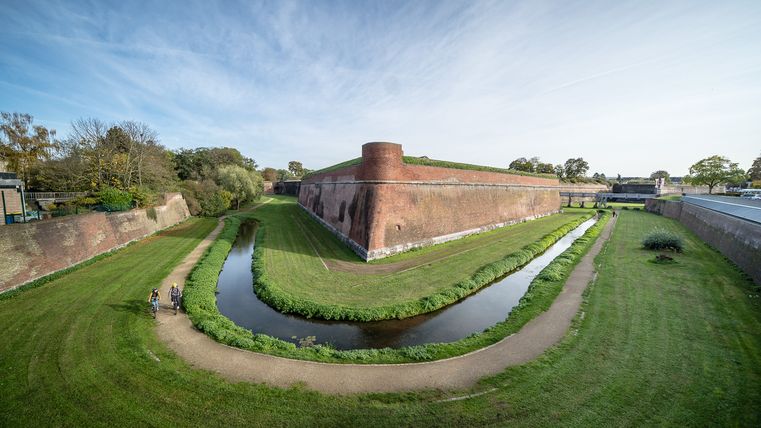
Jülich is worth a trip of its own to discover the fortress, Renaissance and modern-day research town. Duke Wilhelm, who lived around 400 years ago, was responsible for the construction of the citadel with its residential palace, which still exists today, and the layout of the inner-city buildings. The French and Prussians also left their architectural mark, but the layout of the town center has remained unchanged to this day and represents an ideal Renaissance town layout from the 16th century. Today, Jülich has made a name for itself as a research city far beyond its borders, and the research center is one of the leading facilities in Germany. In its institutes and competence centers, scientists investigate complex topics such as fuel cell development, biotechnology, structural change and quantum technology.
Directions to the center
Impressions
Further information
The circular route in the outdooractive tour planner.
Please note that this hiking trail is NOT marked as an independent tour!
Hiking map: "Wanderwege in der Rekultivierung", publisher: RWE Power AG, available free of charge on the free hotline 0800 8833 830.